How Much Do Fitted Wardrobes Cost in East Lothian?
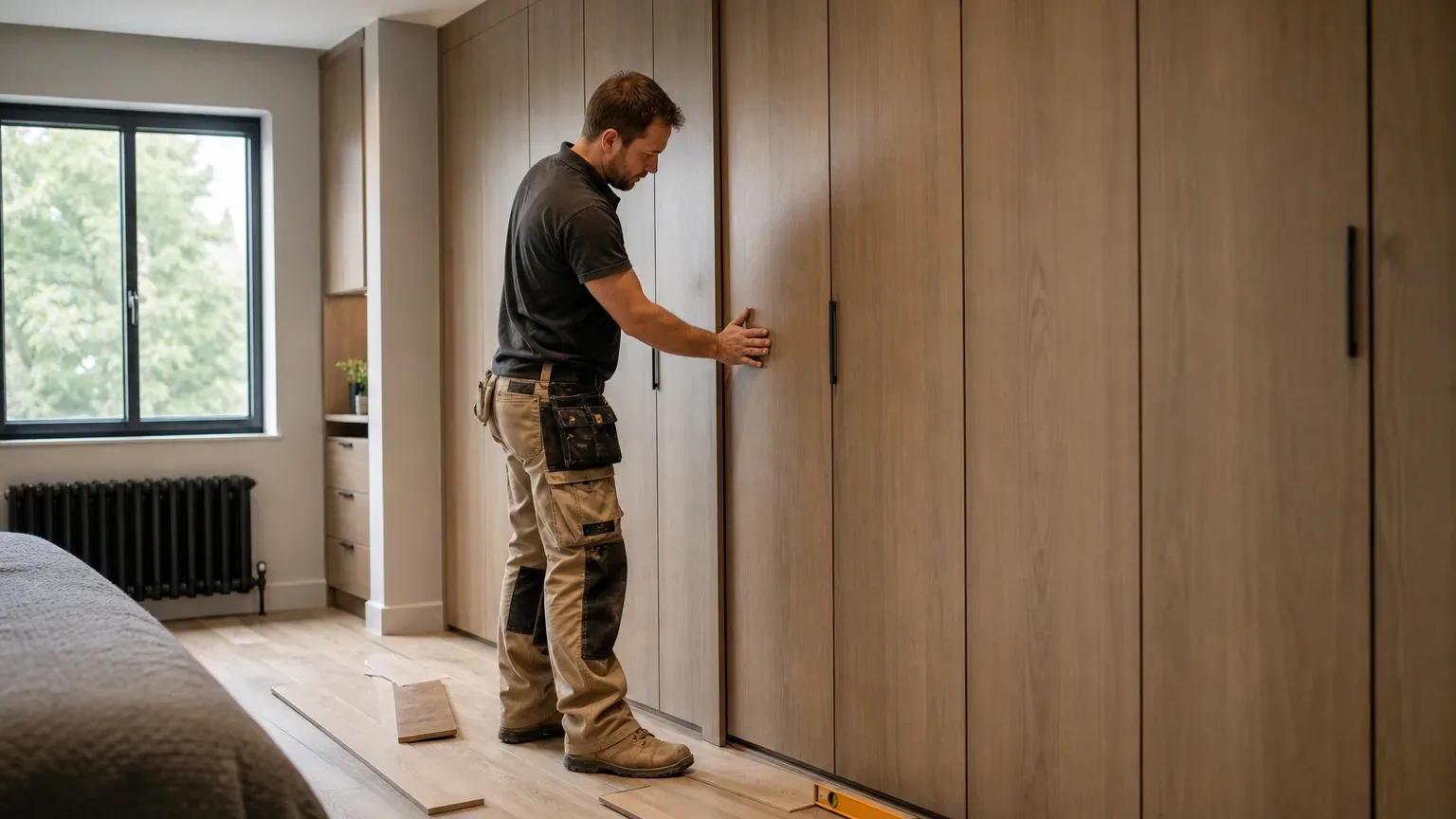
Fitted wardrobe costs in East Lothian typically range from around £800 for a single basic unit up to £8,000 or more for a full bespoke walk-in solution. Where you land within that range depends on size, door style, internal configuration, and the finish you choose. Understanding the breakdown before you speak to a fitter helps you budget accurately and ask better questions.
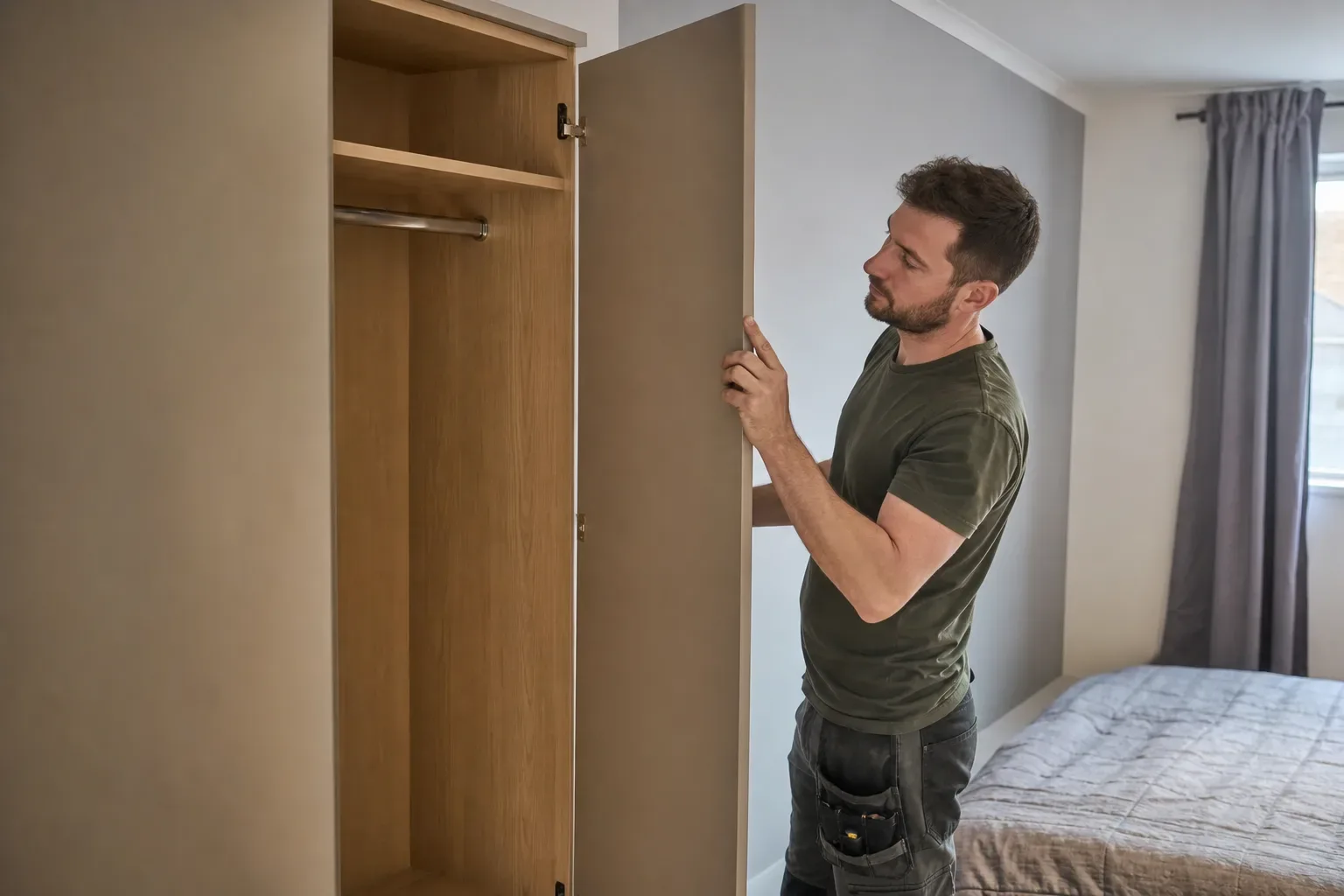
The Core Price Ranges Explained
Three broad tiers cover the majority of projects.
Entry-Level Fitted Wardrobes
A single wardrobe unit in a basic finish, supplied and fitted, runs roughly £800–£1,500. This typically covers one alcove or a straight run of around 1.2–1.8 metres with a hinged door, a hanging rail, and one or two fixed shelves. It suits spare bedrooms, children's rooms, or any space where storage function matters more than decorative detailing.
Mid-Range Projects
A full bedroom wall of fitted wardrobes, with a choice of finishes and interior fittings, sits in the £1,500–£3,500 bracket. At this level you can expect soft-close hinges, a mix of hanging space and drawers, and a wider palette of door styles and panel colours. Most master bedroom projects in East Lothian homes fall somewhere in this range.
Premium and Walk-In Solutions
Bespoke walk-in wardrobes or full-room dressing room solutions start at £4,000 and frequently reach £8,000 or beyond. These projects involve detailed design work, often a custom island unit or vanity station, and materials such as lacquered MDF, real wood veneer, or high-gloss acrylic. Lead times and complexity are greater, but the result integrates fully with the room's architecture.
What Drives the Cost Up or Down
Linear metres of wardrobe is the single biggest cost driver. A 3-metre run costs noticeably more than a 1.5-metre run, even with identical finishes, because material and installation labour both scale with size.
Door type adds meaningful cost too. Sliding door fitted wardrobes carry a premium of roughly £200–£600 over an equivalent hinged-door configuration, reflecting the track hardware and the heavier door panels required. Mirrored door panels add approximately £80–£200 per panel on top of the standard panel price. Mirrors are popular in East Lothian bedrooms where natural light is limited during winter months, since they push light around a room effectively.
Internal fittings vary considerably in price. A basic hanging rail and fixed shelf cost far less than a combination of pull-out trouser racks, velvet-lined jewellery drawers, and adjustable shoe shelving. Specify only what you will genuinely use; over-specified interiors add cost without improving daily function for most households.
Finish choice affects both material cost and the labour needed to achieve a clean result. Painted or foil-wrapped MDF is the standard workhorse finish. Real wood veneer costs more. High-gloss lacquer requires careful handling and slightly longer installation time to avoid surface marks during fitting.
What Is Included in a Typical Quote
A properly itemised quote should separate supply costs from fitting costs, list each component individually, and state clearly what preparation work is excluded. Removal of existing furniture, plastering, and electrical work are typically outside a fitted wardrobe quote unless agreed explicitly.
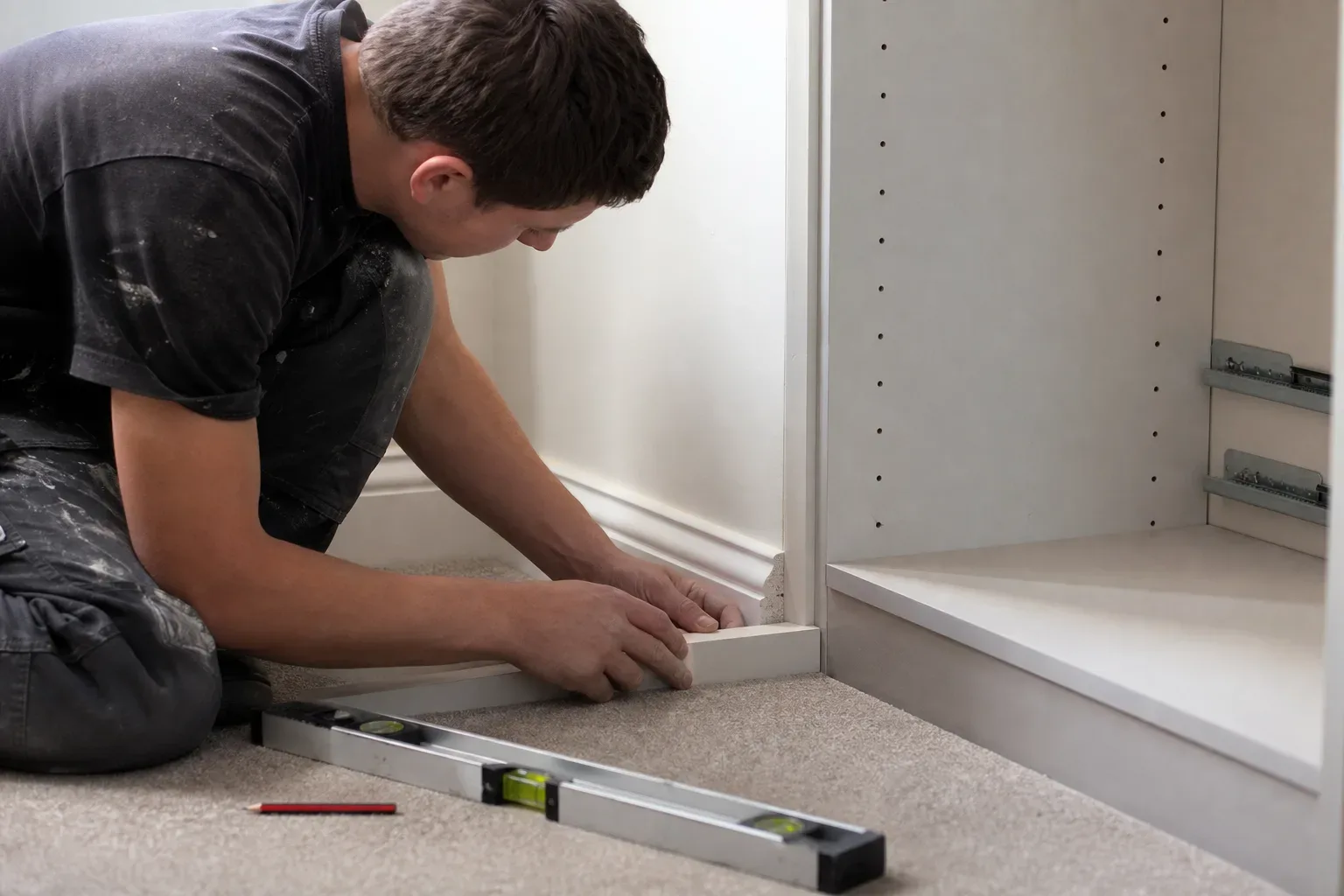
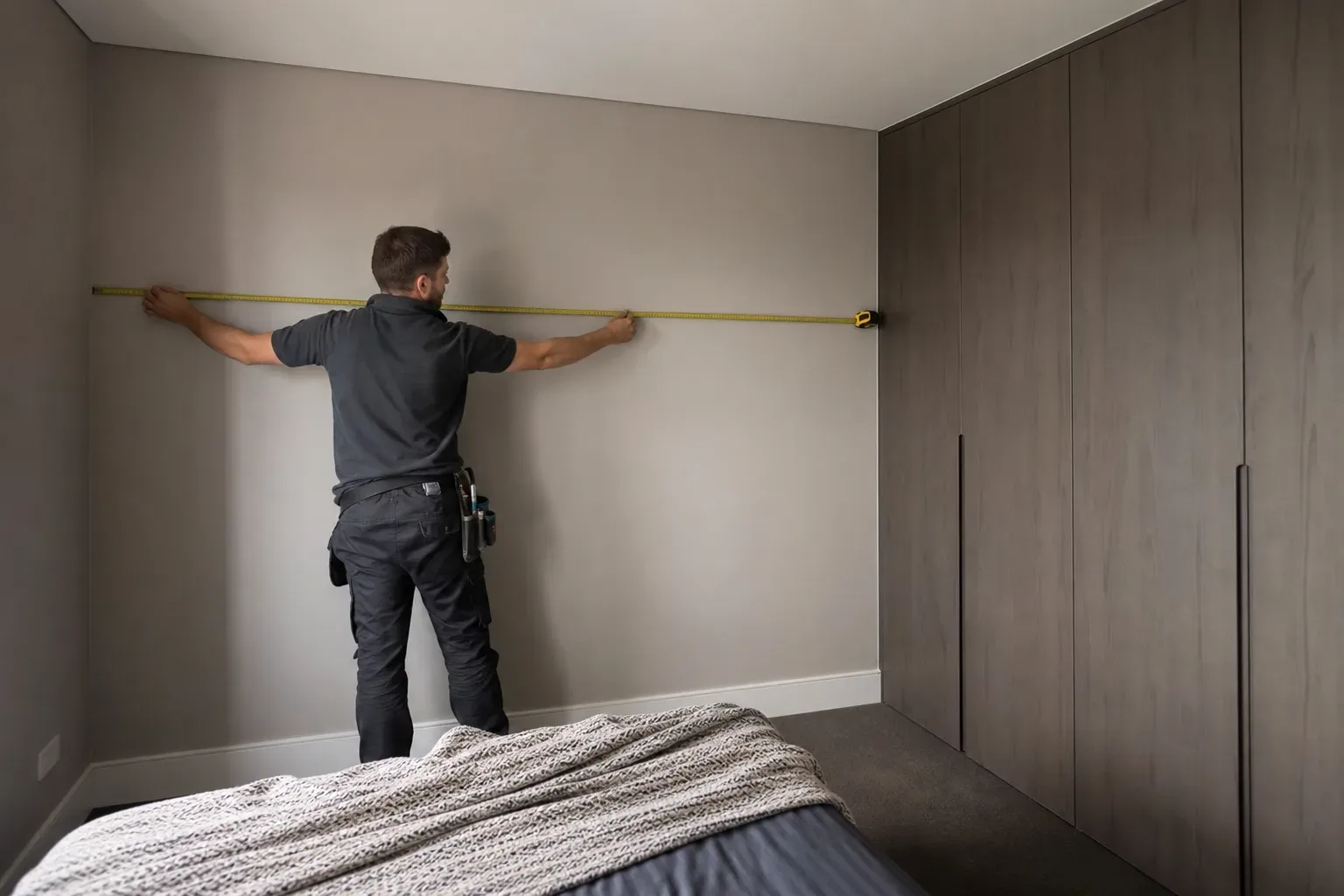
Most fitters operating in East Lothian offer a free home survey and design visit. This gives them accurate room measurements, lets them assess wall conditions, check for skirting or cornice that needs scribing around, and discuss your storage priorities in person. Written quotes typically come back within 3–5 working days of the survey. That window gives you time to compare two or three proposals without rushing.
How Long Does Installation Take
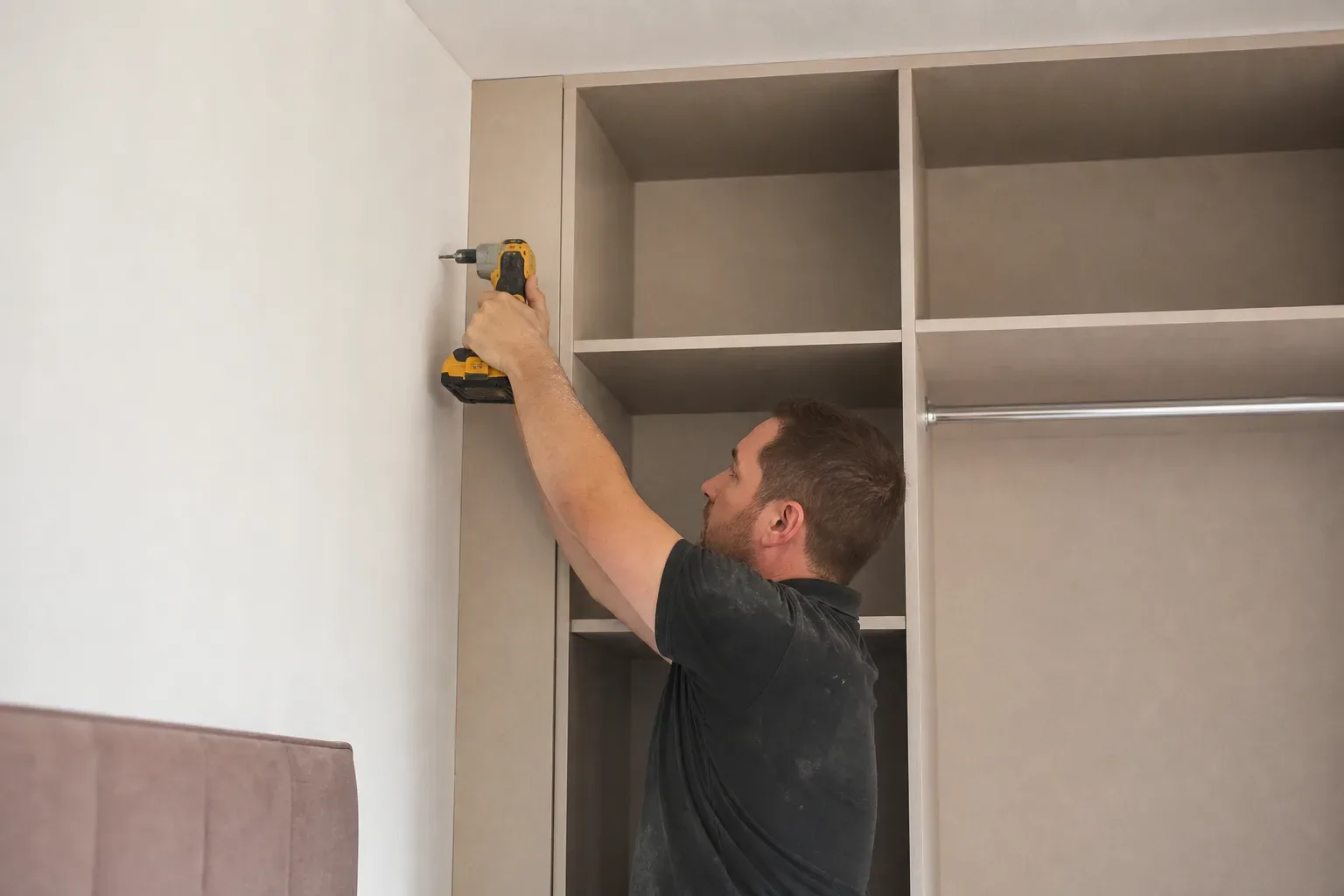
A standard single-wall fitted wardrobe installation by a two-person crew takes 1–2 days. Larger projects such as a walk-in wardrobe or a full dressing room solution take 3–5 days, including fitting, finishing, and snagging checks. Ordering to installation typically runs 4–8 weeks from the point you confirm your order, depending on material availability and the fitter's schedule.
Planning for the lead time matters in East Lothian new builds particularly. Fitted wardrobes can be installed once construction snagging is complete, usually 3–6 months after handover, to allow the structure to settle before fixing cabinetry to walls and floors. Fitting too early risks gaps appearing at joints as timber and plasterboard acclimatise.
Do You Need Planning Permission
Built-in wardrobes do not typically require planning permission in East Lothian. They are treated as internal fixtures rather than structural alterations. That said, if you are in a listed building or a designated conservation area, it is sensible to confirm with East Lothian Council before proceeding, since additional consent conditions can apply in those specific circumstances.
Getting an Accurate Price for Your Project
Online price guides, including this one, give you a realistic starting framework. They cannot replace a measured survey. Room dimensions, ceiling height variations common in older East Lothian properties, uneven walls, and chimney breast recesses all affect the final figure. A room survey costs nothing and converts a rough estimate into a number you can actually plan around.
When comparing quotes, check that the guarantee terms align. A 5-year workmanship guarantee and a 10-year manufacturer or material guarantee are the benchmarks to look for. Shorter terms or vague wording around what is covered are worth querying before you sign anything.
Breaking the project into phases is a practical option if budget is tight. Fitting the main hanging run now and adding drawer units or a shoe tower in a second phase is straightforward with most fitted wardrobe systems, since the carcasses are designed to accept additional modules later.
Frequently Asked Questions
How Much Do Fitted Wardrobes Cost?
Fitted wardrobes in East Lothian cost roughly £800–£1,500 for a single basic unit, £1,500–£3,500 for a full bedroom wall with a choice of finishes and fittings, and £4,000–£8,000 or more for a bespoke walk-in or full dressing room solution. The final figure depends on linear metres, door style, internal configuration, and finish.
Do Sliding Doors Cost More Than Hinged Doors on Fitted Wardrobes?
Yes. Sliding door fitted wardrobes carry an additional cost of approximately £200–£600 over an equivalent hinged-door layout, reflecting the track hardware and heavier door panels involved. Mirrored door panels add a further £80–£200 per panel on top of the standard panel price.
How Long Does It Take to Install Fitted Wardrobes in East Lothian?
A standard single-wall fitted wardrobe takes 1–2 days for a two-person crew to install. Walk-in wardrobes or full dressing room projects take 3–5 days including finishing and snagging. From confirmed order to installation date, allow 4–8 weeks depending on materials and the fitter's availability.
Do Fitted Wardrobes Require Planning Permission in East Lothian?
Built-in wardrobes do not typically require planning permission in East Lothian as they are classed as internal fixtures. If your property is listed or sits within a conservation area, you should confirm with East Lothian Council before work begins, as additional conditions may apply.
Can Fitted Wardrobes Be Installed in a New Build Home in East Lothian?
Yes, but it is advisable to wait until construction snagging is complete, typically 3–6 months after handover. This settling period allows walls, floors, and timber to acclimatise, reducing the risk of gaps appearing at joints after the wardrobes are fixed in place.