Planning Permission for Built-In Wardrobes in East Lothian
The Short Answer
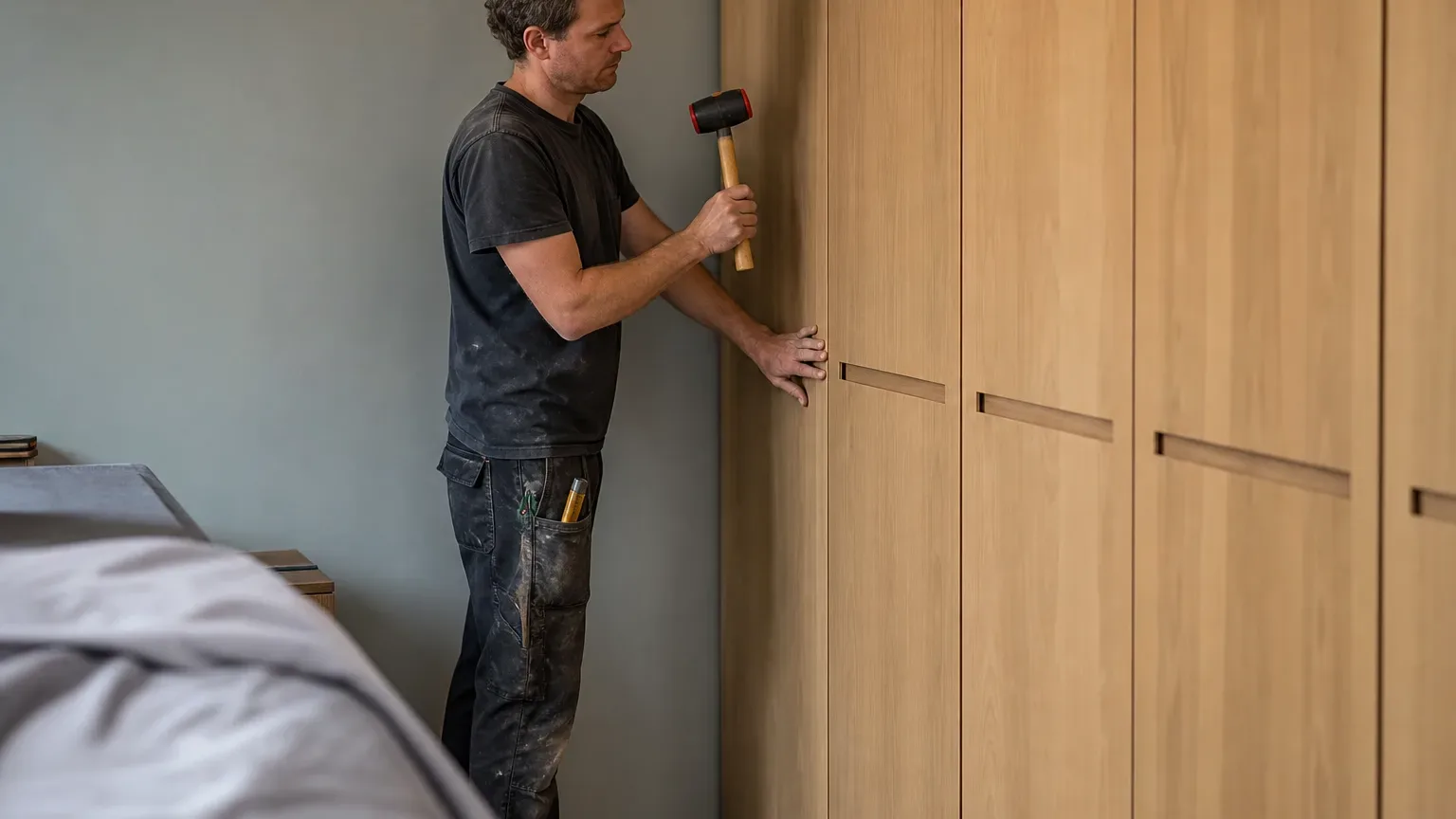
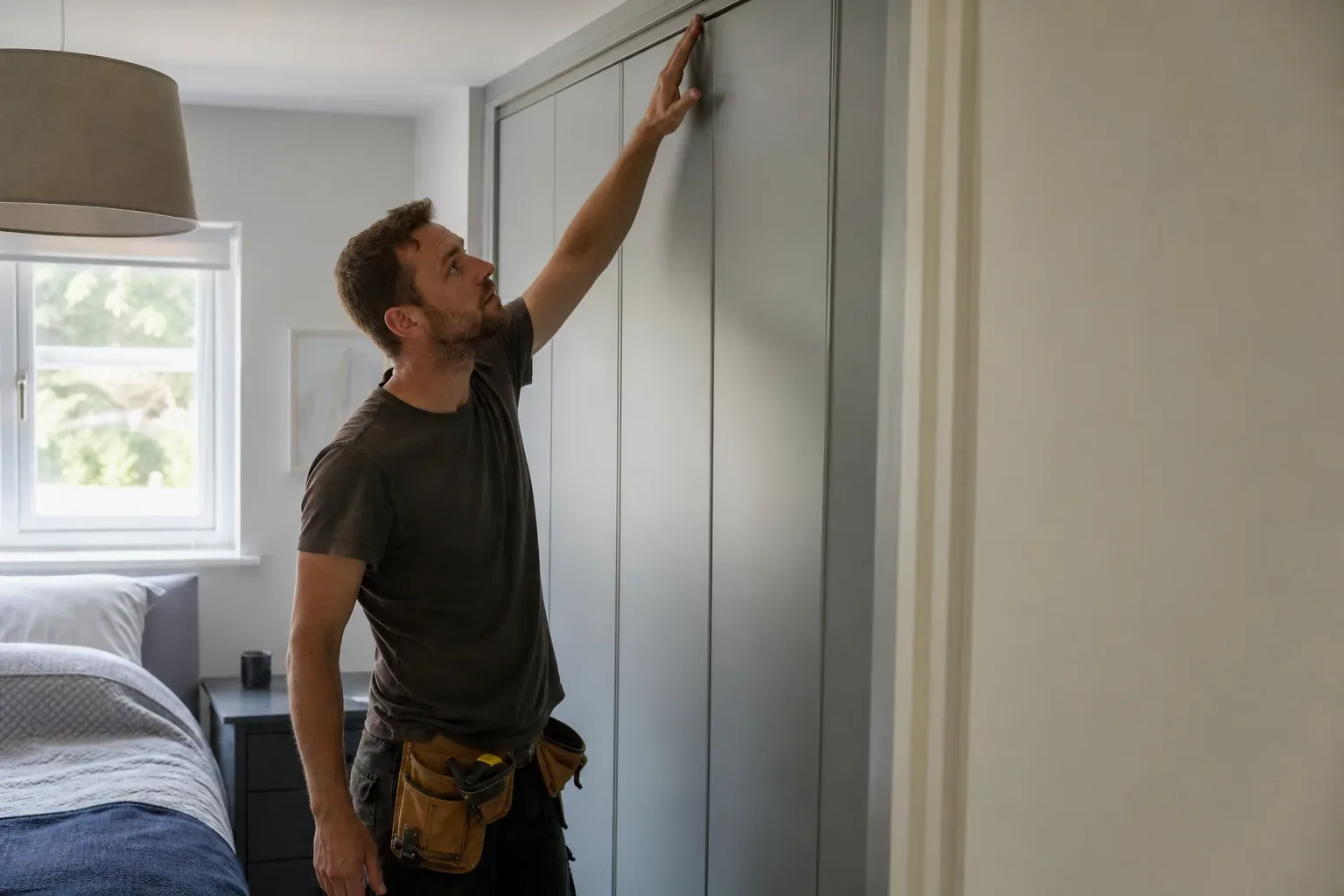
Built-in wardrobes do not typically require planning permission in East Lothian. Under permitted development rules, internal fixtures are classed as works that fall entirely within your own property and do not affect its external appearance, footprint, or structure. East Lothian Council generally has no grounds to require consent for a standard fitted wardrobe installation. That said, if your property sits within a conservation area, is a listed building, or forms part of a new-build development with specific conditions attached to its planning consent, you should confirm directly with East Lothian Council before proceeding.
Why Internal Fixtures Are Treated Differently
Planning permission exists to regulate changes that affect the external built environment or a building's permitted use. A fitted wardrobe fixed to an internal wall does neither. It is treated the same way as any other internal fitting, such as shelving, a kitchen cabinet run, or a partition wall that does not affect a load-bearing structure.
Building regulations are a separate matter from planning permission. In most fitted wardrobe projects, building regulations approval is not required either, because the work does not involve electrical circuits, structural alterations, or drainage. A professional installer will tell you during the design consultation if anything about your specific project changes that picture.
Listed Buildings and Conservation Areas
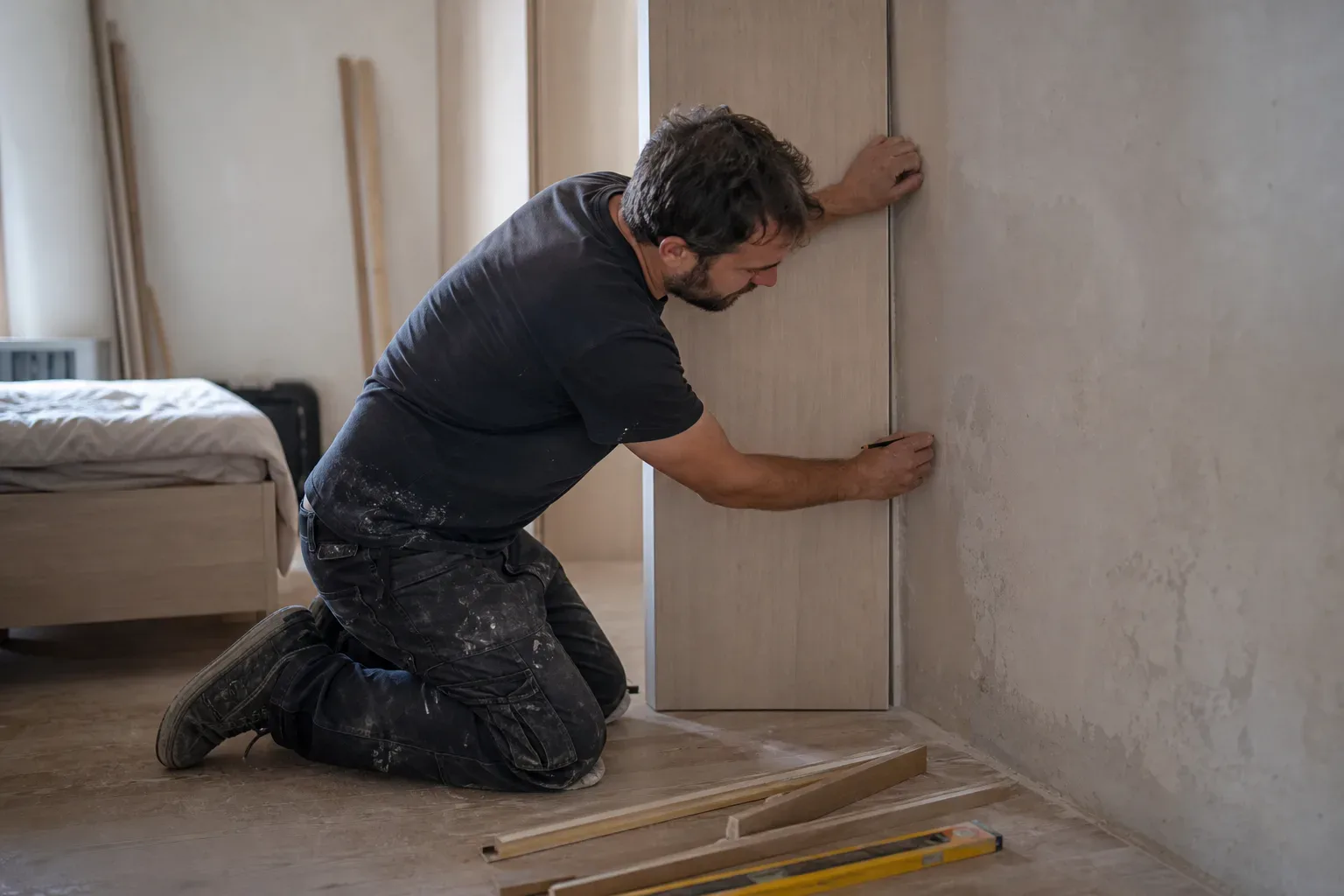
If your home is a listed building, different rules apply. Listed building consent is required for any works, internal or external, that would affect the character of the building. Even a fitted wardrobe installed in a period property on the listed buildings register could require consent if the installation affects original panelling, cornicing, or other protected fabric.
East Lothian contains a number of conservation areas, including parts of Haddington, North Berwick, and Dunbar. Living within a conservation area does not automatically trigger consent requirements for internal works in the same way it does for external changes, but it is worth checking with East Lothian Council if your property has any specific conditions attached to it. A quick call to the planning department costs nothing and removes any uncertainty.
New Build Homes in East Lothian
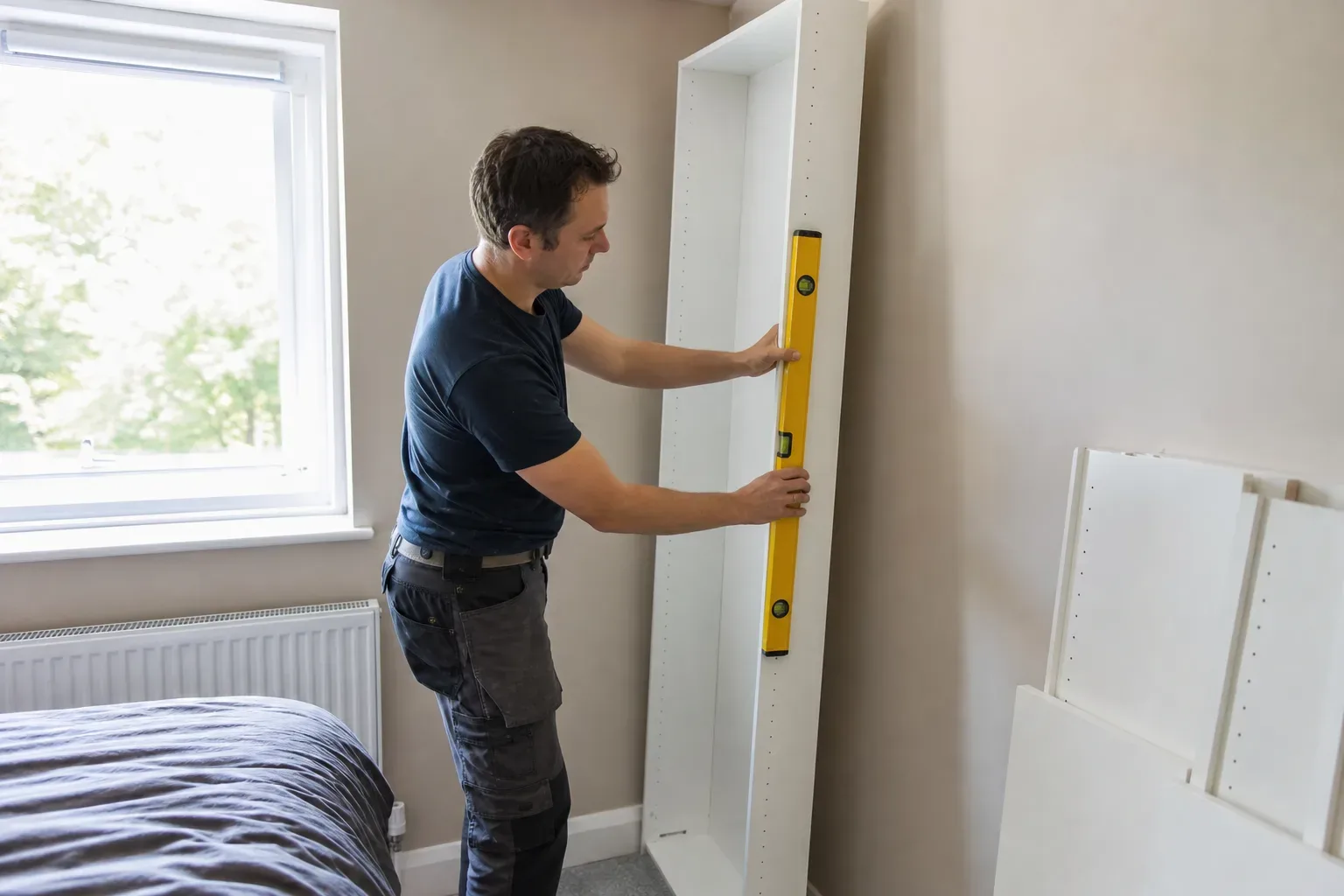
Fitted wardrobes can be installed in new build homes, but timing matters. New build properties typically need a settling period before fitted furniture is installed. The structure, walls, and floors of a newly built home can shift slightly as moisture escapes and the building reaches equilibrium. Installing fitted wardrobes too early can result in gaps, misaligned doors, or cracked joints as that movement occurs.
A practical guide is to wait 3–6 months after handover before booking a survey and design consultation. This is not a planning issue. It is a structural one that protects the quality and longevity of your installation. Once that period has passed, the process is identical to any other fitted wardrobe project in East Lothian.
What the Installation Process Actually Involves
A standard fitted wardrobe installation in East Lothian begins with a free home survey. A designer visits the property, takes precise measurements, and works through your storage requirements and finish preferences. A written quote follows within 3–5 working days.
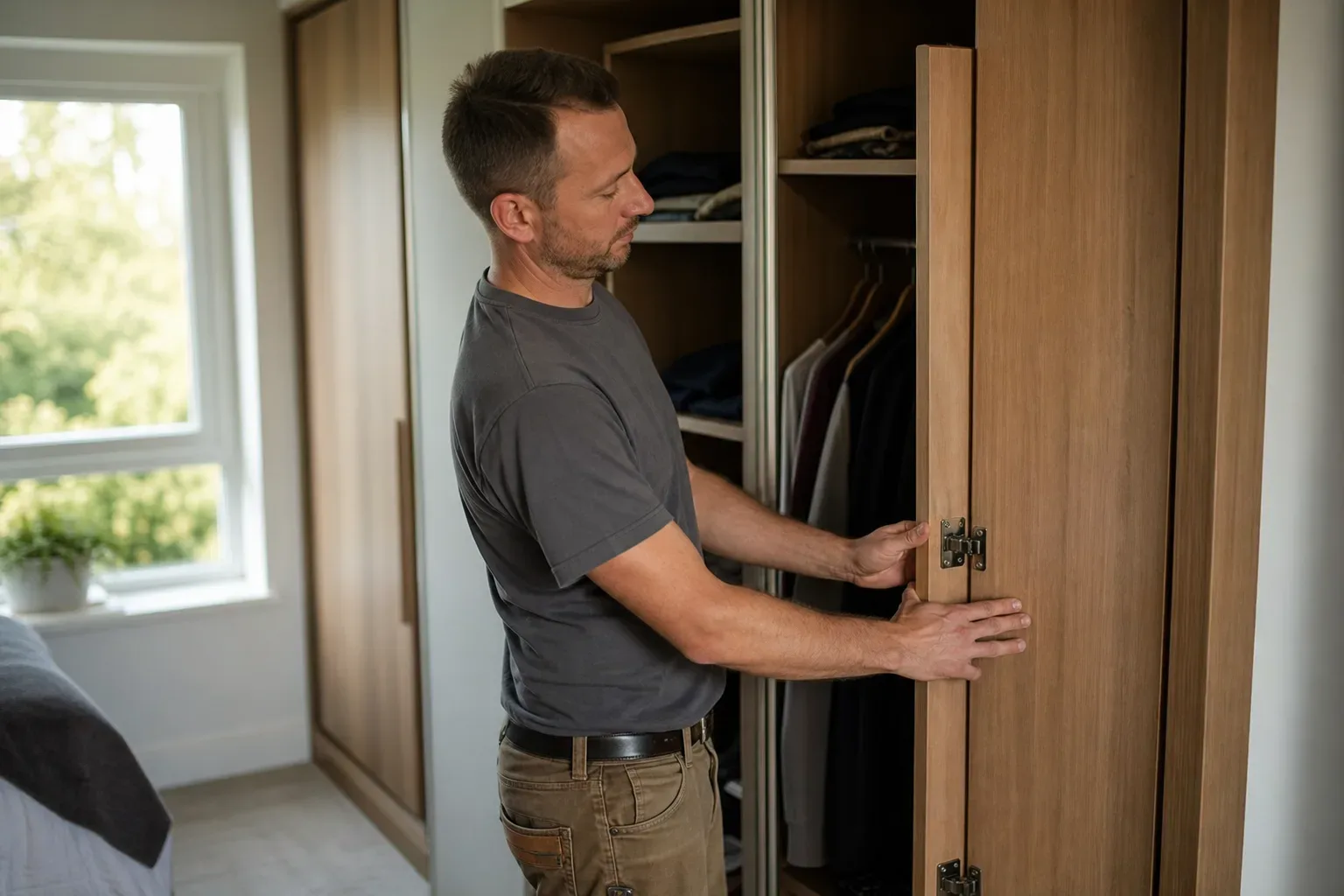
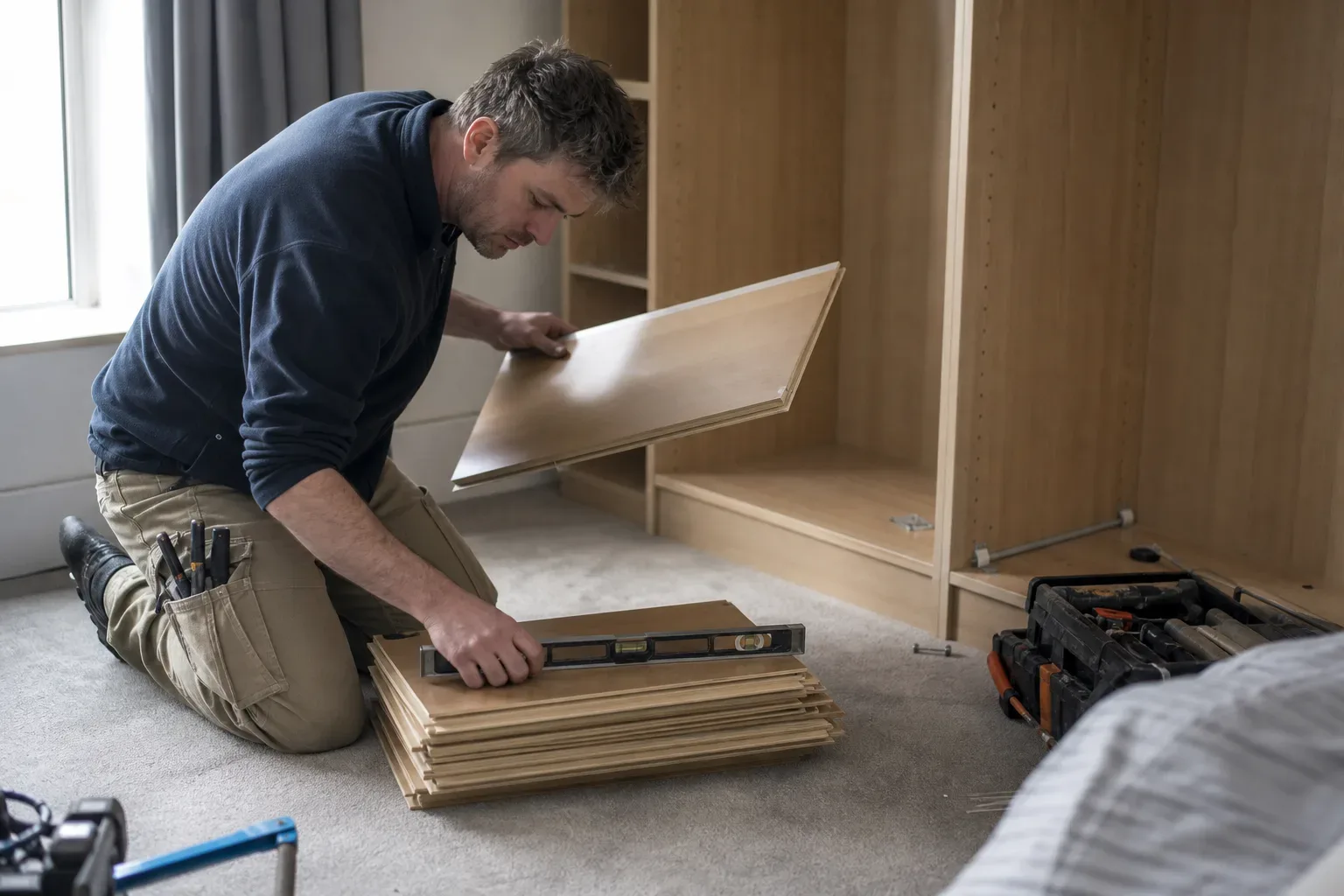
Once you confirm your order, the lead time from manufacture to installation is typically 4–8 weeks. Installation itself takes 1–2 days for a standard single-wall fitted wardrobe fitted by a two-person crew. Walk-in wardrobes or full-room solutions take 3–5 days, accounting for the additional fitting, finishing, and snagging involved.
Workmanship is covered by a 5-year guarantee, and the panels, hardware, and fittings carry a 10-year manufacturer guarantee. Neither guarantee has any dependency on planning status, because in the vast majority of residential properties planning permission is simply not part of the picture.
Costs to Expect
Planning permission fees are not a cost you should budget for with a standard fitted wardrobe project. The costs that do apply are those for the product and installation.
A single wardrobe unit with a basic finish, supplied and fitted, sits in the £800–£1,500 range. A full bedroom wall with a choice of finishes and interior fittings typically runs £1,500–£3,500. Bespoke walk-in or full-room solutions with high-end finishes start around £4,000 and can reach £8,000 or above. If you want sliding doors rather than hinged, expect an additional £200–£600 for the sliding gear and panels.
Mirrored door panels add roughly £80–£200 per panel over the standard panel price.
All these figures are indicative. A proper quote after a home survey will reflect your specific room dimensions, finish selections, and internal fittings.
What to Do Before Booking a Survey
For the overwhelming majority of East Lothian homeowners, no pre-survey checks are needed. You can book a free home survey with confidence that your fitted wardrobe installation will not require planning consent.
If your home is a listed building, check with East Lothian Council's planning department before the survey. If your property is within a conservation area and you have any reason to believe conditions are attached to your planning consent, do the same. For new builds, wait until the 3–6 month settling period has passed. In every other case, the survey is the sensible first step: it is free, it carries no obligation, and it gives you an accurate picture of what is possible in your specific space.
The service area covers Haddington, Musselburgh, North Berwick, Dunbar, Tranent, Prestonpans, and the surrounding villages across East Lothian, so wherever you are in the county, arranging a visit is straightforward.
Frequently Asked Questions
Planning Permission Fitted Wardrobes - Is It Required?
In East Lothian, planning permission is not typically required for fitted wardrobes. They are internal fixtures that do not affect the external appearance or structure of a property, so they fall within permitted development. The main exceptions are listed buildings, where listed building consent may be needed, and properties with unusual planning conditions attached. If you are in any doubt, East Lothian Council's planning department can confirm your position.
Do I Need Planning Permission for Built-in Wardrobes?
No, in the vast majority of cases you do not need planning permission for built-in wardrobes in East Lothian. Internal fixtures are outside the scope of planning control because they do not alter a building's external appearance, footprint, or permitted use. If your home is a listed building or sits within an area with specific planning conditions, you should confirm with East Lothian Council before installation.
Do I Need Building Regulations Approval for a Fitted Wardrobe Installation?
Building regulations approval is not required for a standard fitted wardrobe installation. The work does not involve structural alterations, electrical circuits, or drainage. If your project involves cutting into a load-bearing wall or adding dedicated lighting circuits, your installer will advise whether any additional sign-off is needed.
Can Fitted Wardrobes Be Installed in a Listed Building in East Lothian?
Yes, but listed building consent may be required before work begins. Listed building consent covers internal works that affect the character of a protected building, including any installation that touches original panelling, cornicing, or other historically significant fabric. Contact East Lothian Council's planning department to confirm what consent is needed before committing to a design.
How Long Does It Take to Have Fitted Wardrobes Installed in East Lothian?
After a free home survey, a written quote is provided within 3–5 working days. Once an order is confirmed, the lead time from manufacture to installation is typically 4–8 weeks. A standard single-wall fitted wardrobe takes 1–2 days to install. A walk-in wardrobe or full-room solution takes 3–5 days, including finishing and snagging.